
Drone Battery Guide: Performance, Safety, and Lifespan Explained
At ABL, we understand that strong performance in aerial operations depends on the details. A good maintenance program for your equipment starts with knowledge of what type of battery you will be using and the appropriate maintenance techniques to keep your batteries operating at peak performance while using your camera to photograph or inspect something or flying for recreational purposes. Our focus is on helping users achieve reliable power, safety, and efficiency through advanced battery solutions, ensuring every drone battery delivers dependable results. As a trusted Lithium battery manufacturer, we design solutions that meet the evolving demands of modern aerial technology. Lithium-based batteries are important to the modern day drone market, and the advanced lithium ion battery technology behind them offer both light and compact battery designs with great energy density. Because lithium-based batteries are more efficient than older types of batteries, the length of time that lithium-based systems function is longer than that of older styles of battery technology. We achieve longer flight times because our system maintains its original weight, which is essential for stabilizing operations when using cameras and sensors. The performance of high-quality drone lithium-ion batteries maintains steady voltage output, which enables motor operations to run without interruptions while delivering consistent flight control throughout their complete operational periods.
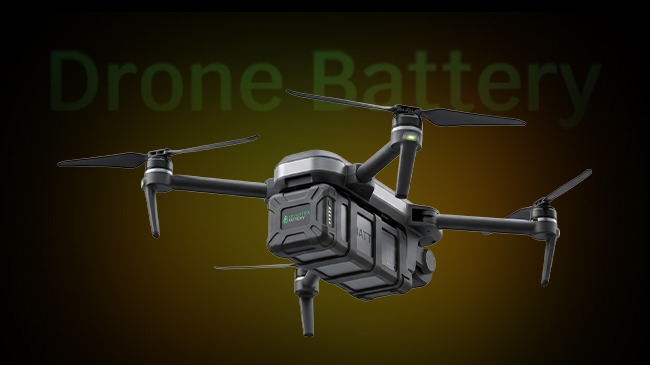
Currently available rechargeable drone batteries are one of the most significant technological advances in today’s equipment. ABL looks at ways to provide on-going value created through sustainable life cycles. Both users and the environment can save money and the environment by allowing users to recharge the drone battery several times rather than having to replace the battery after every flight. Users need to handle the devices properly to maximize their efficiency. Good charging practices are demanded. Proper storage conditions are critical for achieving the desired battery performance and durability.
Drones require temperature control to achieve their maximum battery performance. The optimal temperature range for lithium cells enables their most effective performance. The machine test requires operators to apply contact stress testing until they reach the test-piece area which includes sheet and tube and composite field iron-column testing. We recommend storing a drone battery at approximately 40 to 60 percent charge during extended inactivity. This practice protects internal chemistry and helps preserve long-term battery health, especially in a lithium ion battery system.
The practice of charging discipline holds equal importance to other aspects. The usage of charging equipment which manufacturers approve should be the standard practice for charging all lithium drone batteries. Smart charging systems control current flow while they stop overcharging and they maintain equal power distribution between multiple cells. The balanced charging process permits a fixed battery performance which provides specific flight time results. Users will experience reliable power during flights when proper charging procedures are followed because this method reduces warning notifications. Flight planning serves as an essential practice which helps to sustain battery health maintenance. Monitoring of power levels in real-time will help to avoid damage to the drone battery and avoid deep discharges that could lead to permanent failure. Drones must have automatic return-to-home features which activate at low power levels, but we recommend that pilots maintain a safety reserve instead of flying until their battery ends. This method protects the drone lithium-ion battery, which decreases the chances of unexpected landings. The regular maintenance process depends on basic inspection procedures which serve as essential requirements. The team recommends that operators inspect connectors for any signs of debris accumulation or swelling or any physical damage before they start their work. Any battery from a lithium drone which develops puffing or overheating symptoms needs to be taken out of operation without delay. Proper care ensures that a rechargeable drone battery remains safe and efficient and dependable throughout its entire lifespan.
ABL maintains that proper Drone Battery selection with correct maintenance practices leads to better flight durations and improved safety and system performance. As a leading lithium battery manufacturer in West Bengal, India, our knowledge of lithium-based technology combined with our expertise in best practices enables us to deliver extended flight durations with stable power and dependable aerial operations at all times.