
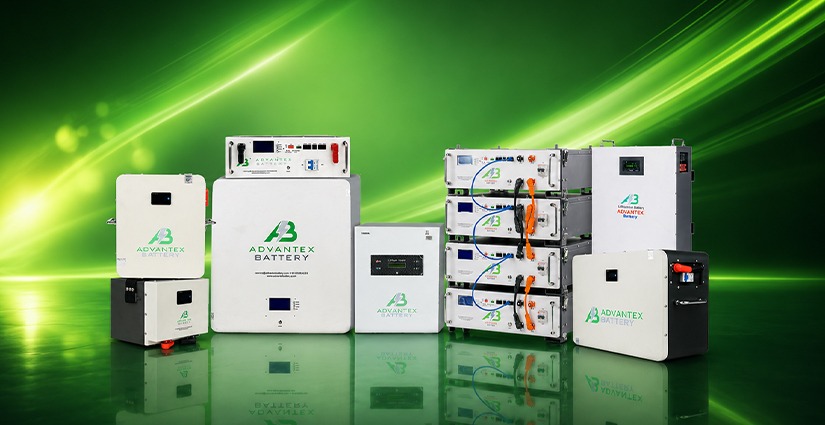
As the world accelerates toward clean energy and electric mobility, the need for efficient, dependable, and sustainable storage has never been greater. From electric vehicles and renewable energy plants to industrial facilities and smart cities, the Power Storage System has become the backbone of modern energy infrastructure.
With battery technology evolving rapidly, artificial intelligence entering the picture, and renewable energy integration becoming more seamless, the future of power storage is changing at significant pace. At Advantex Battery, we are focused on leading this shift by developing battery solutions that offer better efficiency, stronger safety, and long-lasting reliability.
In this blog, we examine the latest trends and innovations shaping tomorrow’s power storage systems.
What is a Power Storage System?
A Power Storage System holds electrical energy and releases it when needed. It helps balance power demand and supply, keeping electricity available without interruption — even during outages or grid fluctuations.
These systems are used across electric vehicles, residential backup power, commercial buildings, industrial facilities, solar and wind energy plants, telecom infrastructure, and grid-scale energy storage. Today, newer storage solutions are increasingly driven by lithium battery technology, owing to its better efficiency, longer operating life, and faster charging capability.
The Growing Importance of Energy Storage
As solar, wind, and other renewable sources expand, dependable storage has become essential. Unlike conventional power generation, renewable output is subject to weather conditions and is therefore variable. A solid Energy Storage System captures surplus electricity generated during peak output hours and stores it for use when production drops.
In practice this supports grid stability, energy efficiency, renewable energy utilisation, power reliability, and energy independence. As global energy needs continue to rise, storage technologies will only become more important over time.
Trends Shaping the Future of Power Storage Systems
1. Advanced Lithium Battery Technology
One of the most significant drivers of future energy storage is the ongoing evolution of lithium battery technology. Manufacturers are now developing batteries with:
- Higher energy density
- Faster charging speeds
- Longer cycle life
- Improved thermal stability
- Enhanced safety features
- Better overall efficiency
These advances allow batteries to store more energy in a smaller footprint, making them well suited for electric vehicles as well as large-scale storage projects. At Advantex Battery, we focus on pairing premium battery cells with smart Battery Management Systems (BMS) to maximise both performance and safety.
2. Growth of Battery Energy Storage Systems (BESS)
Battery Energy Storage System (BESS) technology is expanding across many industries. These systems store electricity generated from renewable sources and deliver it when demand exceeds generation. Key applications include:
- Solar power storage
- Wind energy integration
- Industrial backup power
- Peak load management
- Grid balancing
- Emergency power supply
As renewable energy installations continue to grow, Battery Power Storage System will become central to ensuring reliable and available electricity, particularly when generation conditions are unfavourable.
3. Smarter Battery Management Systems
Modern batteries are becoming increasingly intelligent. Advanced Battery Management Systems now provide real-time monitoring, cell balancing, temperature management, overcharge protection, predictive maintenance, and performance optimisation.
Artificial intelligence and machine learning are pushing battery diagnostics further, enabling systems to anticipate maintenance requirements before failures occur. This extends battery life and improves overall operational efficiency.
4. Faster Charging Technologies
Charging time has historically been one of the most significant barriers to battery adoption. Future development is focused on reducing charging durations while preserving battery health. This includes high-speed charging infrastructure, improved battery chemistry, intelligent charging algorithms, and more robust thermal management. Faster charging makes electric vehicles more practical for everyday users and supports productivity in commercial applications.
5. Greater Emphasis on Safety
Battery safety continues to be a priority for innovation. Modern storage systems now incorporate:
- Thermal runaway prevention
- Fire-resistant coatings
- Waterproof battery enclosures
- Advanced cooling systems
- Multi-layer electrical protection
- Smart fault detection
At Advantex Battery, safety is a top priority in both design and manufacturing, ensuring dependable performance even under demanding operating conditions.
6. Renewable Energy Integration
The next phase of the energy storage system is closely tied to renewable energy. As more homes and businesses install rooftop solar panels, battery storage retains the surplus electricity produced during the day for use at night. The outcomes include:
- Reduced electricity bills
- Greater energy independence
- Lower carbon emissions
- Better use of renewable resources
Energy storage will increasingly become a key element of smart energy ecosystems worldwide.
7. Sustainable Battery Manufacturing and Recycling
Environmental responsibility is receiving growing attention within the battery industry. Manufacturers are investing in sustainable raw material sourcing, eco-friendly production methods, battery recycling technologies, second-life battery applications, and reduced manufacturing emissions. This work is aimed at lowering the environmental footprint of battery production while supporting a circular economy for battery materials.
8. Modular and Scalable Storage Solutions
Storage systems are becoming more flexible. Modular battery designs allow businesses and homeowners to expand storage capacity as their energy needs grow. This scalability brings practical benefits including lower initial investment, easier system upgrades, greater operational flexibility, and simplified maintenance. Modular setups are suitable for residential, commercial, and industrial energy applications.
The Role of Innovation in Electric Mobility
The rapid growth of electric vehicles is driving battery innovation forward. Future batteries are expected to deliver longer driving range, faster charging, lower weight, improved durability, and better energy efficiency. These advances will accelerate EV adoption while making electric transportation more affordable and accessible.
As battery technology progresses, power storage systems will continue to become smaller, smarter, and more powerful.
Why Choose Advantex Battery?
At Advantex Battery, a trusted lithium battery manufacturer in India, innovation is at the core of everything we do. Our battery solutions are built with:
- Premium Samsung NMC cells
- Intelligent Battery Management Systems
- Advanced waterproof battery design
- Thermal and fire protection
- Multiple safety mechanisms
- Rigorous quality testing
We invest continuously in research and manufacturing improvements to deliver dependable Power Storage System solutions for electric mobility, renewable energy integration, and industrial use. That commitment to quality, safety, and innovation allows us to power the next generation of clean energy technologies with confidence.
Conclusion
The future of the Power Storage System is being shaped by rapid technological progress, growing renewable energy adoption, and increasing demand for efficient energy management. From smarter Energy Storage System solutions and advanced Battery Energy Storage System technology to next-generation lithium battery developments, the entire field is moving toward safer storage, more sustainable options, and stronger overall performance.
At Advantex Battery, we are committed to being part of that progress. By combining advanced engineering, intelligent battery expertise, and strict quality standards, we continue to build power storage solutions that meet the changing needs of businesses, industries, and the road ahead for electric mobility.