
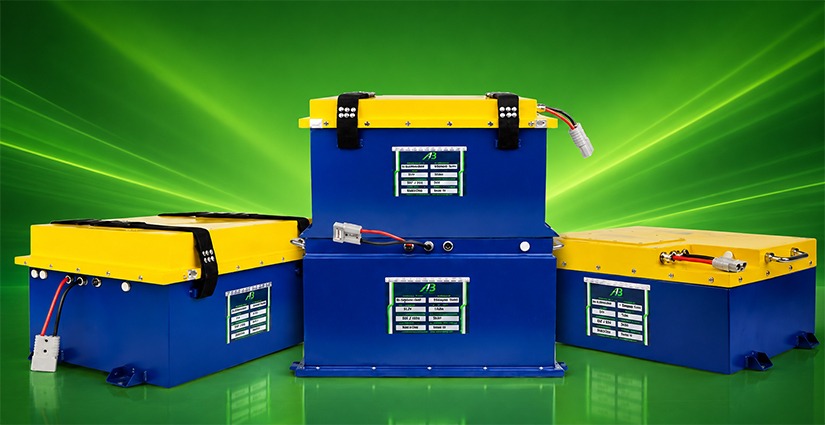
The E-Bike Battery is the heart of every electric two-wheeler. It powers your ride and determines how far you can travel, which directly shapes your riding experience. Whether you are commuting to work, making deliveries, or taking a weekend ride, understanding how long your battery lasts helps you get better performance and more value from your e-bike over time.
At Advantex Battery, we recognise that buying a high-quality battery is only the first step. How you use it, how you charge it, and the maintenance habits you build all play a significant role in keeping your battery performing consistently for years.
In this blog, we cover how long an e-bike battery typically lasts and the key factors that influence its lifespan.
How Long Does an E-Bike Battery Last?
On average, a modern E-Bike Battery lasts approximately 3 to 8 years, depending on its quality, usage patterns, and how well it is maintained. In charging terms, most quality lithium-ion battery packs can handle roughly 800 to 2,000 charge cycles before usable capacity begins to decline.
The battery does not typically stop working the moment it reaches that cycle count. Instead, its range gradually reduces over time. A battery that originally delivered around 100 km per charge may provide 70 to 80 km after several years of regular use.
Ultimately, lifespan depends heavily on how the battery is treated throughout its life.
Why Lithium Batteries Last Longer
Most electric two-wheelers today use lithium batteries because they outperform older lead-acid types in both performance and longevity. Lithium batteries offer higher energy density for longer rides, faster charging times, a lighter and more compact build, better thermal stability, longer cycle life, and minimal maintenance requirements.
As a trusted lithium battery manufacturer in India, we design our battery systems with premium-grade cells, advanced Battery Management Systems (BMS), and comprehensive safety features to maximise battery life while delivering consistent performance.
Factors That Affect E-Bike Battery Life
1. Charging Habits
Charging behaviour is one of the most significant influences on battery lifespan. To maximise battery life:
● Avoid repeatedly discharging to 0%.
● For everyday use, aim to keep the battery between approximately 20% and 80% charge.
● Use only the recommended charger.
● Unplug the charger promptly once charging is complete.
● Avoid frequent unnecessary top-up charges.
Consistent charging habits reduce stress on the battery cells and lead to noticeably better longevity.
2. Temperature Conditions
Extreme temperatures affect battery performance. High temperatures can accelerate battery degradation, while very cold conditions may temporarily reduce efficiency and riding range.
Where possible:
● Store your e-bike in a shaded or covered location.
● Avoid leaving it in direct sunlight for extended periods.
● Keep the battery indoors during extreme weather.
● Allow the battery to cool down after a long ride before charging.
Maintaining a moderate operating temperature helps preserve battery health over the long term.
3. Riding Style
How you ride has a direct impact on battery life. Aggressive acceleration, repeated sudden braking, frequent steep climbs, or carrying excessive loads all require higher current from the battery, placing additional strain on the cells.
Smoother riding — gradual acceleration instead of sudden bursts — improves range and reduces long-term wear on the battery.
4. Battery Quality
Not all batteries are built to the same standard. High-quality batteries made with premium cells, advanced BMS technology, and rigorous quality control consistently deliver a longer service life than lower-grade alternatives.
At Advantex Battery, every e-bike battery undergoes strict testing to confirm safety, efficiency, and dependable long-term performance. As a major Lithium Battery Company, we focus on producing batteries that perform reliably under the demanding road and weather conditions typical of India.
5. Battery Management System (BMS)
The Battery Management System acts as the control centre for your battery. A capable BMS continuously monitors:
● Cell voltage
● Temperature
● Charging status
● Current flow
● Short-circuit protection
● Overcharge protection
● Over-discharge protection
This continuous monitoring prevents damage to individual cells and supports a longer operational lifespan overall.
6. Storage Practices
If you do not plan to use your e-bike for several weeks, proper storage is important. For longer-term storage:
● Keep the battery charged to approximately 40% to 60%.
● Store it in a cool, dry location.
● Avoid leaving it fully discharged.
● If unused for an extended period, recharge every couple of months.
Poor storage practices are a common cause of premature battery degradation.
7. Regular Maintenance
Although lithium batteries require very little upkeep, a few routine checks can make a meaningful difference. Do the following regularly:
● Clean the battery terminals.
● Inspect connectors for dust or corrosion.
● Check the battery for physical damage.
● Ensure it is mounted securely.
● Keep charging ports clean and dry.
Routine maintenance keeps performance stable and helps identify minor issues before they develop into larger problems.
Signs Your E-Bike Battery May Need Replacement
Even the best batteries eventually reach the end of their useful life. Common signs include:
● Shorter riding range
● Longer charging times than usual
● More frequent charging required
● Sudden unexpected drops in battery percentage
● Inconsistent power delivery
● Visible battery swelling or physical damage
If you notice any of these symptoms, have the battery assessed by a qualified professional.
Tips to Extend Your E-Bike Battery Life
These straightforward practices can help extend your battery’s service life:
● Charge before the battery is fully empty.
● Avoid leaving it at full charge for extended periods.
● Use only the original manufacturer-supplied charger.
● Protect the battery from extreme heat and cold.
● Ride smoothly and avoid sudden acceleration where possible.
● Store the battery properly during long periods of inactivity.
● Carry out regular inspections and look for anything unusual.
● Choose a high-quality battery from a trusted manufacturer.
Following these habits can add years to your battery’s service life while keeping performance consistent.
Why Choose an Advantex Battery?
Choosing the right e-bike battery starts with choosing the right manufacturer. At Advantex Battery, we combine advanced engineering, premium Samsung NMC cells, smart Battery Management Systems, and rigorous quality control to build dependable battery solutions for today’s electric mobility needs.
As a trusted lithium battery manufacturer in India, we are focused on delivering safe, long-lasting, high-performance battery systems that power the future of electric transportation. Our expertise as a leading Lithium Battery Company allows us to offer reliable energy solutions across a wide range of two-wheeler battery applications.
Conclusion
The lifespan of an E-Bike Battery is shaped by more than manufacturing quality alone. Charging habits, riding style, storage practices, temperature conditions, and routine maintenance all play a significant role in how long your battery stays at its best.
At Advantex Battery, we believe that combining high-quality technology with mindful battery care is what helps riders extend useful life, improve safety, and get more value from every trip. Choose a premium lithium battery, follow a few simple maintenance habits, and your e-bike can keep running reliably for years.